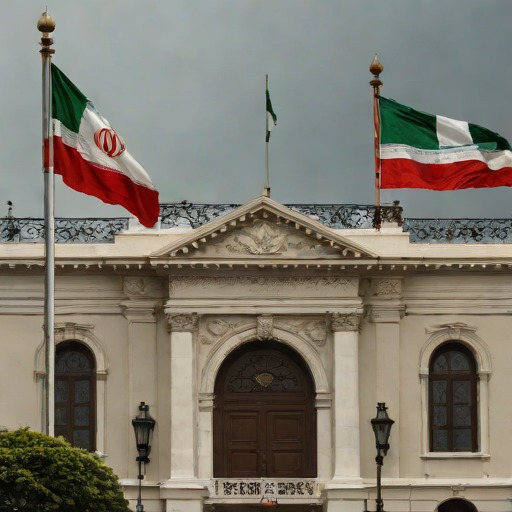
Market Hits Record High Despite Iran War and Oil Spike
Investors ignore rising energy costs and geopolitical tensions as S&P 500 surges past previous benchmarks amid ongoing conflict.
Approximately seven weeks into an escalating military conflict with Iran, U.S. financial markets have defied conventional economic logic, with the S&P 500 reaching a fresh record high this week. Despite the war driving oil prices to sky-high levels, Wall Street investors have largely shrugged off the geopolitical instability and energy inflation, signaling a resilient, albeit volatile, economic outlook. This divergence between traditional risk indicators and market performance marks a significant shift in investor sentiment as the administration manages a timeline for the conflict that appears to be extending beyond initial projections.
Wall Street Defies Geopolitical Risks
The surge in the S&P 500 comes as a stark contrast to the typically bearish reaction seen during periods of Middle Eastern conflict. Historically, wars involving major oil producers or transit routes trigger immediate sell-offs due to fears of supply chain disruptions and inflationary pressure. However, current data suggests that market participants are prioritizing other economic fundamentals over the immediate shock of rising energy costs. The White House has maintained a steady course, seemingly downplaying the immediate economic fallout as the war's duration exceeds the timeline originally anticipated by former President Trump and his advisors.
Oil Prices and Economic Implications
The persistence of high oil prices presents a complex challenge for the broader U.S. economy, particularly for sectors sensitive to energy costs such as transportation and manufacturing. While the stock market celebrates new highs, the real economy may face headwinds as consumers and businesses grapple with increased operational expenses. Analysts note that the current exuberance on Wall Street may be driven by expectations of future policy interventions or a belief that the conflict will not escalate to a point that permanently disrupts global oil flows. This cautious optimism, however, leaves the market vulnerable to any sudden escalation in hostilities, as we reported in Economic Pressure on Iran Could Trigger Military Escalation, Expert Warns.
"Investors have shrugged off the sky-high price of oil, sending the S&P 500 this week to a fresh record high," reflecting a market willing to bet on stability despite the ongoing war.
As the conflict enters its second month, the disconnect between the geopolitical reality and the financial markets' reaction remains a focal point for economists and policymakers. The ability of the U.S. economy to absorb these shocks without triggering a recession will depend heavily on the duration of the war and the effectiveness of federal responses to energy inflation. For now, the record-breaking market performance stands as a testament to the complex interplay between global conflict and domestic financial resilience.