Iran Threatens U.S. as Trump Says Ceasefire Is on 'Life Support'
Tensions escalate as Iran vows retaliation, execution of spy, and Hezbollah withdraws from peace talks while costs soar.
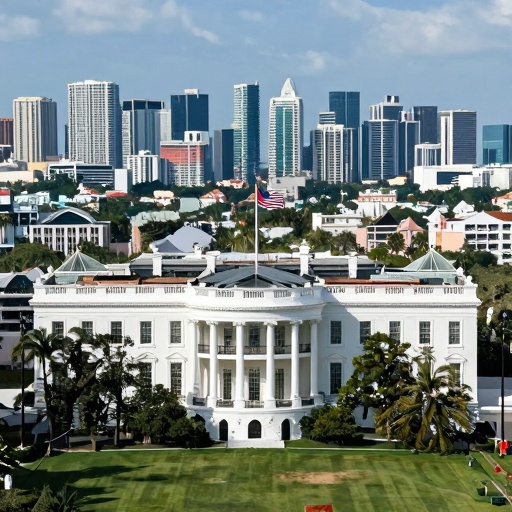
President Donald Trump stated that the ceasefire between the United States and Iran is "on life support" after rejecting Tehran's latest response to a U.S. peace proposal. In retaliation, Iran's parliament speaker warned that the Islamic Republic's military is prepared to "teach a lesson" to any aggressor. The escalation coincides with the execution of an Iranian man accused of spying for Israel, a withdrawal by Hezbollah from direct peace talks, and rising financial costs for the conflict, which the Pentagon estimates at $29 billion.
Escalating Military and Diplomatic Tensions
The diplomatic rift widened as U.S. Ambassador to Israel Mike Huckabee confirmed that Israel sent anti-missile batteries and personnel to the United Arab Emirates to help protect the country from Iranian attacks. This move underscores a growing defense relationship between the two Middle Eastern nations, bolstered by the ongoing conflict. Meanwhile, Hezbollah leader Naim Kassem urged the Lebanese government to withdraw from direct negotiations with Israel scheduled for Washington, D.C., calling them a concession. Kassem insisted that indirect negotiations through third parties are the only viable path, citing the November 2024 ceasefire as a precedent.
Rising Costs and Human Rights Concerns
The financial burden of the war has intensified, with acting Pentagon comptroller Jules Hurst testifying before Congress that the conflict has cost $29 billion. This figure is lower than internal assessments suggesting costs could approach $50 billion, though Secretary Pete Hegseth previously cited $25 billion. On the human rights front, Iran's judiciary announced the hanging of Ehsan Afreshteh, accused of selling sensitive information to Israeli intelligence. This is the latest in a series of executions since the conflict began in February, with Iran ranking as the world's second-most prolific executioner after China, according to rights groups, a story we covered in Trump Says Iran Not Ready for Deal as Cease.
Global Economic and Strategic Shifts
The conflict has triggered significant economic shifts in Asia, where soaring fuel costs are driving consumers toward rooftop solar power. China, the world's largest provider of solar technology, is poised to profit from this demand, with clean technology exports hitting record highs in March. The Philippines, facing a national energy emergency due to the virtual closure of the Strait of Hormuz, reported a 70% increase in solar installations. Internationally, Australia announced it will join a strictly defensive mission led by France and Britain to secure shipping through the Strait of Hormuz. This coalition aims to protect international trade amid criticism from President Trump regarding NATO allies' refusal to join offensive efforts. Additionally, China's Foreign Minister Wang Yi urged Pakistan to mediate between the U.S. and Iran, particularly regarding the reopening of the strait.