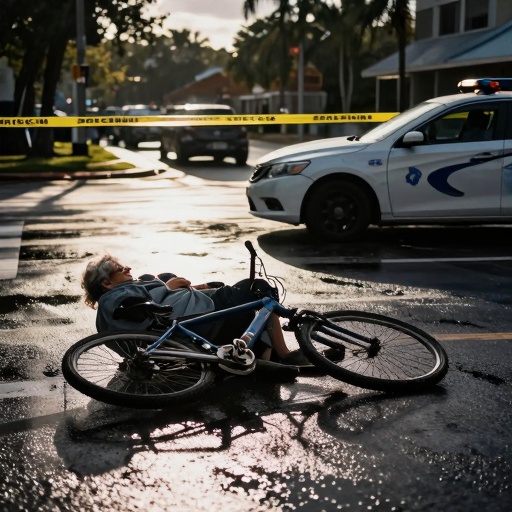
A Florida woman has filed a federal civil rights lawsuit against several officers from the Florida Highway Patrol (FHP), alleging she was wrongfully arrested, detained, and accused of causing a deadly crash that killed three people. The legal action stems from an incident on Interstate 4 where authorities initially identified the plaintiff as the driver responsible for a fatal hit-and-run collision.
According to court documents reviewed by civic reporters, the woman was held in custody for nearly two weeks before prosecutors dropped all charges due to lack of evidence. The lawsuit claims that FHP troopers acted with malicious intent and reckless disregard for her constitutional rights during the investigation phase.
Allegations of False Imprisonment and Misconduct
The federal complaint details a timeline where law enforcement officials allegedly rushed to judgment, ignoring exculpatory evidence that would have cleared the plaintiff before her arrest. The woman contends that she was subjected to false imprisonment, defamation, and emotional distress as media reports widely circulated identifying her as the suspect in the tragedy.
Attorneys for the plaintiff argue that standard investigative protocols were violated when troopers failed to corroborate witness statements with physical evidence such as vehicle damage or surveillance footage. The lawsuit seeks unspecified damages for the trauma of being publicly labeled a murderer and the loss of reputation suffered during the weeks she spent in jail.
"The state's failure to follow due process not only deprived our client of her liberty but also subjected her family to unbearable public scrutiny based on unverified claims," said lead counsel for the plaintiff in a press statement released Tuesday.
The Fatal I-4 Crash and Investigation Timeline
The incident that sparked this legal battle occurred late last year on a busy stretch of Interstate 4, a major corridor connecting Orlando to Daytona Beach. The crash involved multiple vehicles and resulted in the deaths of three individuals, prompting an immediate and high-profile investigation by FHP investigators.
Initially, witnesses identified the plaintiff's vehicle as being present at the scene, leading troopers to place her under arrest without securing definitive proof that she was behind the wheel. It was only after a thorough review of dashcam footage and tire track analysis did authorities realize their initial conclusion was incorrect, resulting in her release pending no further action, a story we covered in Florida Driver’s Lies Exposed in Fatal Street Race That Killed 77.
This case highlights ongoing concerns regarding investigative rigor within Florida's law enforcement agencies, particularly during high-pressure situations involving fatal accidents on major highways. The Interstate 4 corridor is known for heavy traffic volume and frequent congestion, which can complicate accident reconstruction efforts.
Legal Implications for FHP and State Accountability
The lawsuit names specific troopers involved in the initial investigation as well as the Florida Highway Patrol agency itself under Section 1983 of the Civil Rights Act. This legal pathway allows individuals to sue government officials who violate their constitutional rights, often resulting in significant financial settlements or verdicts against state entities.
Florida has recently faced increased scrutiny over law enforcement accountability following several high-profile cases across the Sunshine State where officers were found liable for misconduct. The outcome of this case could influence future training protocols and investigation guidelines within the FHP to prevent similar errors in evidence gathering.
State officials have not yet issued a formal public response regarding the specific allegations, though standard procedure involves legal counsel reviewing such claims before any comment is made by department leadership. If found liable, the state could face substantial financial penalties and reputational damage that extends beyond the individual officers named in the suit.
Civil rights advocates suggest this case underscores the critical need for transparency in police investigations involving fatal accidents. They argue that rushing to arrest suspects based on preliminary witness accounts without corroborating data can lead to irreversible harm to innocent citizens' lives and livelihoods across Florida's diverse communities from Miami-Dade to the Panhandle.