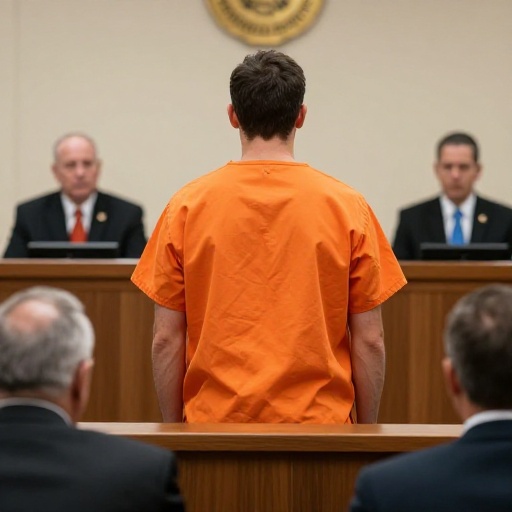
 Imagen generada con IA para Politics
Florida Executes James Hitchcock for 1976 Teen Slaying
State carries out lethal injection for 1976 rape and murder of 13-year-old Cynthia Driggers after decades of legal proceedings.
Florida executed James Hitchcock on April 30, 2026, for the rape and murder of 13-year-old Cynthia Driggers, a crime committed in 1976. The execution, carried out via lethal injection at the Florida State Prison in Raiford, marks the conclusion of a half-century legal saga involving one of the state's most heinous historical crimes. State officials confirmed the procedure was conducted in accordance with all legal protocols, bringing a final resolution to a case that has spanned generations.
A Decades-Long Pursuit of Justice
The case against Hitchcock dates back to April 1976, when Driggers was abducted, sexually assaulted, and killed in a crime that shocked the community and the state. Despite the passage of 50 years, the Florida Department of Law Enforcement and state prosecutors maintained the case, navigating numerous appeals and legal challenges before the execution warrant was signed. The timeline underscores the persistence of Florida's judicial system in seeking accountability for capital offenses, even when decades have elapsed since the original incident.
Implications for Florida's Death Penalty
The execution of Hitchcock represents a significant event in Florida's ongoing capital punishment landscape. As the state continues to enforce its death penalty statutes, this case serves as a stark reminder of the long-term commitment required to see such sentences carried out. Legal experts note that executions following such extended periods are rare but highlight the state's adherence to its laws regarding the most severe crimes. The event has reignited discussions among lawmakers and advocacy groups regarding the efficacy and morality of the death penalty in modern Florida society, as this newspaper reported in Florida Plans Historic Double Execution for Murder of Young Girl.
Family members of the victim expressed a mix of relief and somber reflection following the announcement. The closure provided by the execution offers a final chapter to a tragedy that has long haunted the Driggers family and the community. As Florida moves forward, the case of James Hitchcock remains a historical marker in the state's criminal justice history, illustrating the enduring reach of the law across five decades.