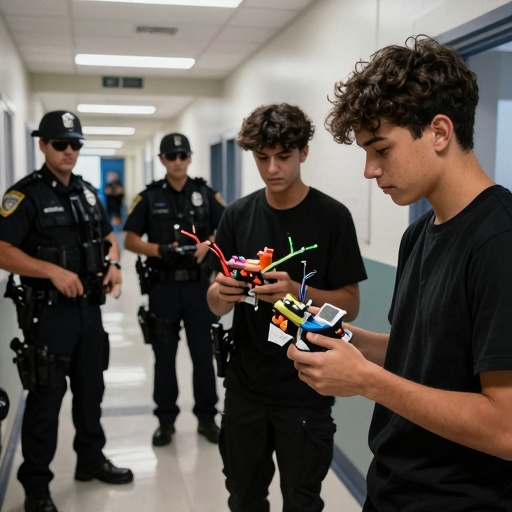
St. John's County authorities successfully prevented a large-scale unauthorized gathering known as a "teen takeover" at St. Augustine Beach after detecting coordinated planning on social media platforms. The intervention marks a significant win for local law enforcement in their ongoing effort to monitor digital spaces that often serve as incubators for public safety threats.
Investigators from the St. Johns County Sheriff's Office identified posts across multiple applications encouraging minors and young adults to congregate at specific beach locations with the intent of causing disruption. The planned event was described by officials as a chaotic assembly designed to overwhelm local resources, damage property, and create hazardous conditions for residents and tourists.
By leveraging digital surveillance tools and community tips, officers were able to identify key organizers and issue warnings before any significant number of individuals arrived at the scene. This proactive approach highlights an evolving strategy in Florida law enforcement, where cyber-crimes units collaborate with local patrol divisions to neutralize threats before they materialize on the ground.
Digital Surveillance Leads to Preemptive Action
The St. Johns County Sheriff's Office stated that their investigation began after receiving intelligence regarding a coordinated effort to flood St. Augustine Beach with hundreds of teenagers under the guise of a spontaneous party. Online messages detailed plans for loud music, vehicle stunts on the sand, and confrontations with local authorities.
"We are constantly monitoring social media channels where these events are planned," said Sheriff Rick Staly in a press release regarding the incident. "Our goal is to protect our community from preventable harm by intervening early."
This operation involved tracking hashtags, closed groups on messaging apps, and public posts that used coded language to evade detection by parents or school administrators. The sheriff's office worked with private intelligence analysts who specialize in identifying patterns of radicalization or organized mischief among youth demographics.
Once the scope of the planned takeover was confirmed, officers began contacting known participants directly through their online personas and real-world identities. Many were warned that attendance would result in immediate arrest for disorderly conduct, trespassing, or participating in an unlawful assembly.
Balancing Public Safety with Civil Liberties
The preemptive shutdown of the gathering has sparked a broader conversation about the balance between public safety and civil liberties on digital platforms. While community leaders applaud the sheriff's office for preventing potential property damage, some legal experts caution against overreach in monitoring private communications.
Florida statutes provide law enforcement with broad powers to investigate threats to public order, yet the line between legitimate surveillance and privacy invasion remains a contentious issue in Tallahassee. State legislators are currently reviewing bills that could further define how agencies utilize digital evidence in predicting criminal behavior, a story we covered in Two Florida Teens Charged With Felonies Over Homemade Weapons.
In St. Augustine, a historic city heavily reliant on tourism, maintaining a safe environment is paramount for local businesses. A chaotic takeover involving hundreds of minors could have resulted in significant economic losses during the peak travel season. Beachfront restaurants and hotels rely on family-friendly atmospheres to attract visitors from across the Southeast.
"We cannot afford disruptions that scare away tourists or endanger our residents," noted a spokesperson for the St. Augustine Chamber of Commerce. "The swift action by law enforcement demonstrates their commitment to keeping this historic destination safe."
Ongoing Challenges in Youth Crime Prevention
The thwarted takeover is part of a larger trend seen across Florida, where social media-driven gatherings have led to increased incidents of vandalism and public disturbances. From Miami-Dade to the Panhandle, sheriffs are reporting a rise in "challenge" culture events that often devolve into criminal activity.
Florida's Department of Law Enforcement has issued guidance to local agencies on how to handle these digital threats effectively. The state is investing more resources in cyber-crime units and training officers to recognize the early warning signs of organized youth crime.
Educational outreach remains a critical component of prevention strategies. Schools and community centers are partnering with law enforcement to educate teenagers about the legal consequences of participating in unlawful assemblies promoted online. Parents are also being encouraged to monitor their children's digital footprints more closely during summer months when such events are most likely to occur.
Despite this success, officials warn that vigilance must remain high as organizers often pivot tactics quickly if one plan is foiled. "This was just the first attempt," Sheriff Staly noted. "We will continue to watch and act decisively."